


The fastest safe relief for mouth sores from braces combines orthodontic wax over the offending bracket or wire, a saltwater rinse, and a topical oral gel for pain, paired with soft, cool foods while the tissue heals. Most adjustment soreness eases within 3 to 5 days, and minor ulcers typically resolve in 1 to 2 weeks. Clinician-backed guidance from Dr. Veronica Stahl supports pairing these steps with gentle, natural protective products rather than harsh rinses.
TL;DR:
- Cover the rubbing bracket with wax and contact your orthodontist about loose hardware or a poking wire instead of bending it yourself.
- Use a saltwater rinse several times daily, then apply topical anesthetic gel sparingly as directed; avoid mouthwash containing alcohol on open sores.
- Adjustment soreness often eases in 3–5 days, and ulcers heal in 1–2 weeks; seek care if one lasts over three weeks.
- Call a dentist or orthodontist if a broken wire cuts tissue, sores recur in one spot, or a large, bleeding sore appears with fever.
Table of Contents
- Why Braces Cause Mouth Sores and What the Normal Timeline Looks Like
- Preventing Sores Before They Start: Wax, Silicone, Hygiene, and Diet
- Step-by-Step Immediate Relief: Rinses, Gels, and Safe OTC Options
- When a Dentist or Orthodontist Should Treat the Sore
- Dr. Veronica Stahl’s 48-Hour Calming Protocol for Braces Sores
- A Clinician’s Note on Safety and When to Escalate
- Fitting Natural Oral Care Into Your Daily Braces Routine
- FAQ
- Sources
Why Braces Cause Mouth Sores and What the Normal Timeline Looks Like
Brackets, wires, and bands create constant mechanical friction against the cheeks, lips, and tongue, and that friction is the primary driver of orthodontic mouth sores, according to a 2024 peer-reviewed review of orthodontic mucosal ulcers. Tightening appointments make this worse temporarily because the wire or bracket shifts position and rubs against tissue that has not yet adapted.
The timeline usually follows a predictable pattern. Soreness from an adjustment tends to ease within 3 to 5 days, while a canker sore or friction ulcer generally heals within 1 to 2 weeks. An ulcer that lingers past three weeks or keeps getting worse needs a dental or orthodontic review, per NHS guidance.
A few everyday habits raise the odds of recurring sores:
- Brushing with a hard-bristled toothbrush instead of a soft one
- Eating hot, spicy, or acidic foods that irritate already-tender tissue
- Smoking, which is linked to a higher risk of oral mucosal ulcers during orthodontic treatment
- Brushing too infrequently, which allows plaque buildup near brackets to aggravate the gums
Small behavior changes around these habits reduce how often sores come back, according to research on orthodontic ulcer risk factors.
Preventing Sores Before They Start: Wax, Silicone, Hygiene, and Diet
Prevention works best when mechanical protection, hygiene, and diet changes happen together. Relying on just one often fails if friction against the tissue continues unaddressed, a point the 2024 orthodontic ulcer review makes clearly.
- Pinch off a pea-sized piece of orthodontic wax or dental silicone, roll it into a ball, flatten it slightly, and press it firmly over the bracket or wire edge that rubs. Replace it after eating or whenever it falls off.
- Ask your orthodontist for extra wax at every appointment so you are never without it during the first few irritating days after a tightening.
- Switch to a soft-bristled toothbrush and an interdental brush, using gentle circular motions around each bracket rather than scrubbing.
- Choose soft, cool foods such as yogurt, mashed potatoes, or oatmeal, and avoid spicy, acidic, or very hot items until the tissue calms down. A straw helps when drinking anything that might sting an open sore.
- Check your appliance weekly for a poking wire end or a loose bracket, and call your orthodontist promptly rather than trying to bend or trim it yourself.
The NHS also notes that toothpastes containing sodium lauryl sulfate (SLS) can irritate existing ulcers in some people, so switching to an SLS-free formula is worth trying if sores keep flaring.
Pro Tip: Keep a small wax kit in your bag or car, since sores are far easier to prevent in the first hour of irritation than to treat after they’ve already formed.
Step-by-Step Immediate Relief: Rinses, Gels, and Safe OTC Options
Once a sore has formed, the order of care matters: protect the area first, clean it gently, then apply something soothing on top. The 2024 review on orthodontic mucosal ulcers supports this sequence as more effective than any single step alone.
- Saltwater rinse: Dissolve 1/2 teaspoon (2.5 mL) of table salt in 8 ounces (237 mL) of warm water and swish several times a day, then spit it out. Our own step-by-step saltwater rinse guide walks through timing and technique in more detail.
- Baking-soda rinse: Mix 1 teaspoon (5 mL) of baking soda into 1/2 cup (118 mL) of warm water as an alternative when salt feels too sharp on broken skin.
- Topical anesthetic gels: Benzocaine-containing gels or protective pastes applied sparingly and directly to the sore numb pain quickly, following the label’s dosing instructions.
- Cold compresses or ice chips: Holding a cold compress against the cheek, or letting an ice chip melt near the sore, numbs the area without any chemical exposure.
- Milk of magnesia dab: A thin coating can soothe and protect the sore between rinses.
Most minor canker sores heal on their own within 1 to 2 weeks, which is why comfort-focused home care is usually enough for routine irritation.
A few safety notes apply across all of these steps: never swallow a medicated rinse, avoid alcohol-based mouthwashes on open sores since they tend to sting and dry the tissue further, and stop any product that seems to be making the irritation worse rather than better.
When a Dentist or Orthodontist Should Treat the Sore
Most sores respond to home care, but certain signs call for a professional visit rather than continued self-treatment.
- A wire has snapped or a bracket has come loose and is actively cutting the cheek or tongue
- An ulcer has lasted longer than three weeks without improving
- Sores keep recurring in the same spot despite wax and rinses
- A sore looks unusually large, bleeds, or comes with fever or other systemic symptoms
If you do need to call your orthodontist or dentist, note when the sore started, what you’ve already tried at home, and whether you have any other medical conditions or medications that might affect healing. A quick photo on your phone helps the clinician assess severity before you even arrive. Professional options can include appliance adjustment, a prescribed steroid or lidocaine rinse, or in persistent cases, cautery, according to Mayo Clinic.
Dr. Veronica Stahl’s 48-Hour Calming Protocol for Braces Sores
Dr. Veronica Stahl’s short protocol for the first 48 hours after a sore appears follows the same protect-clean-soothe order recommended across clinical guidance.
- Cover the rubbing bracket or wire with orthodontic wax immediately, before the friction has a chance to worsen the tissue.
- Begin a saltwater rinse schedule, swishing several times daily to keep the area clean without introducing harsh chemicals.
- Apply a gentle, non-alcoholic protective spray or gel to the sore as needed, especially before meals or sleep.
- Stick to soft, cool foods for the full 48 hours to give the tissue a chance to settle before reintroducing normal textures.
Clinicians generally prefer comfort-focused measures like these before reaching for stronger chemical or prescription treatments for routine ulcers, a preference reflected in NHS and Mayo Clinic guidance alike. Our Belgian protocol write-up covers this same sequencing in more depth.
Pro Tip: Follow the order deliberately: protect with wax first, clean with a rinse second, then seal with a protective spray last, since reversing the order lets friction undo the benefit of the rinse.

A Clinician’s Note on Safety and When to Escalate
Most mouth sores from braces are self-limited, so the priority is comfort and preventing further trauma to the tissue rather than aggressive intervention. When a sore persists past the usual healing window or shows signs of a more complicated ulcer, clinicians can prescribe targeted treatments that resolve it faster than home care alone. Knowing the difference between ordinary friction and a sore that needs attention is what keeps routine braces discomfort from becoming something bigger.
— Veronica
Fitting Natural Oral Care Into Your Daily Braces Routine
We offer oral care products designed to support a gentle, protection-first approach, avoiding fluoride and harsh alcohol-based ingredients that can sting an already irritated sore.
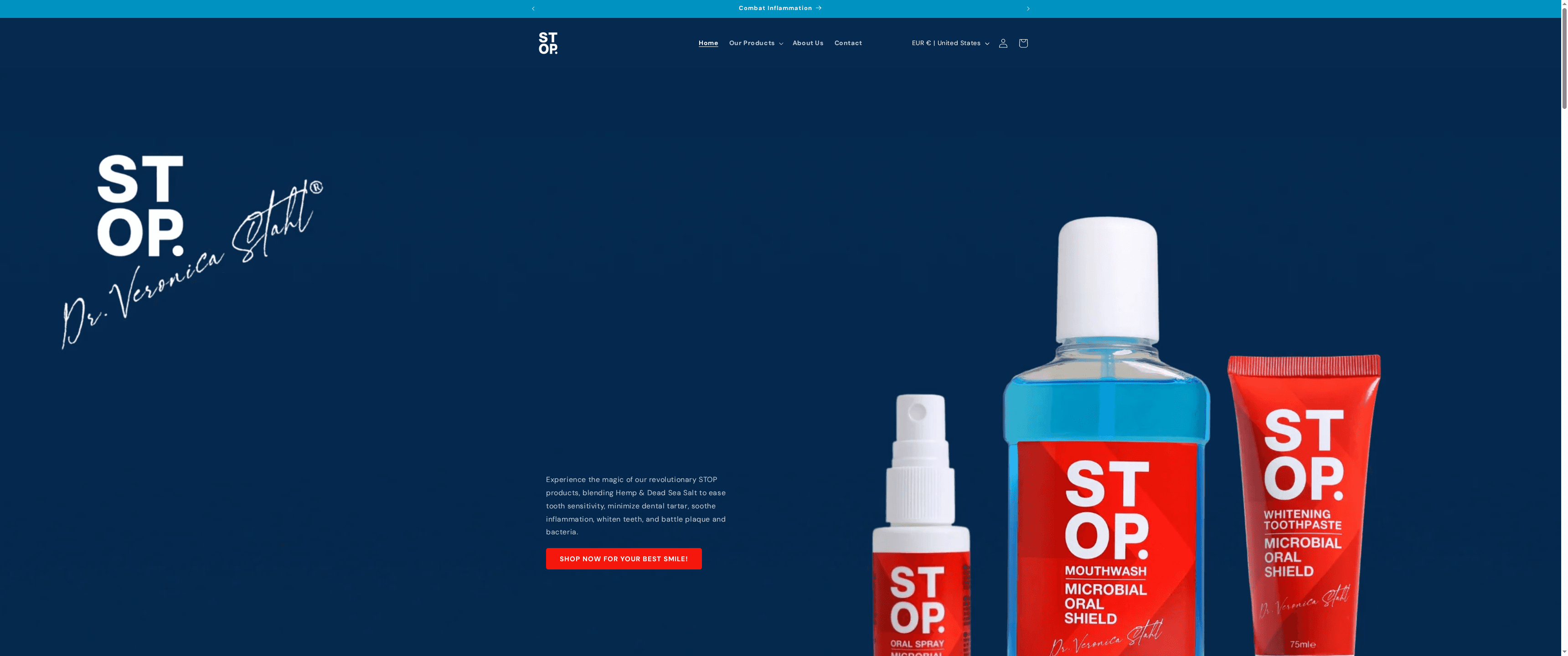
- Use STOP | Mouthwash after your saltwater rinse for an added layer of soothing comfort, not as a replacement for a clinician-prescribed rinse when one has been recommended.
- Carry STOP | Protective Oral Spray for quick relief between meals, applying it directly over wax-protected areas for extra cushioning.
- Reach for STOP | Protective & Whitening Toothpaste during your regular brushing routine to support gum health alongside your braces care.
Always follow the directions on each product and check in with your dentist or orthodontist if a sore is severe or isn’t healing on schedule. Visit our product page to see the full line and find the right fit for your daily routine. For readers who prefer an in-clinic hygiene check alongside home care, CASA DENTALIS offers general prophylaxis guidance worth reviewing.
This article is general information, not a substitute for advice from a qualified doctor. Consult a qualified healthcare professional about your own circumstances before acting on anything here.
FAQ
How to cure mouth sores due to braces?
There’s no instant cure, but protecting the area with orthodontic wax, rinsing with warm saltwater several times a day, and applying a topical anesthetic gel speeds up comfort while the tissue heals on its own. Soft, cool foods and avoiding acidic or spicy items also help the sore recover without further irritation.
Do mouth sores from braces go away?
Yes, most sores from braces are temporary and heal without lasting marks. Adjustment soreness typically eases within 3 to 5 days, and a canker sore or friction ulcer usually resolves within 1 to 2 weeks.
What helps mouth sores heal faster?
Keeping the area clean with a saltwater or baking-soda rinse, protecting it from further friction with wax, and avoiding foods that sting the tissue all support faster healing. A topical anesthetic gel manages pain in the meantime without slowing recovery.
How to make sore teeth from braces go away?
Tooth soreness after a tightening is different from a mucosal sore and usually eases within 3 to 5 days as the teeth adjust to the new pressure. Over-the-counter pain relief taken per the package instructions and sticking to soft foods during that window make the adjustment period more comfortable.
Sources
- Orthodontic mucosal ulcers review - PMC
- Mouth ulcers - NHS
- Canker sore - Diagnosis and treatment - Mayo Clinic