


We advise against routine use of high-alcohol rinses and unsupervised long-term chlorhexidine, along with high concentrations of cetylpyridinium chloride, misused hydrogen peroxide, and non-functional additives such as dyes and harsh surfactants. People with dry mouth, sensitive oral mucosa, or conditions linked to nitrate metabolism warrant particular caution. The next section details each ingredient and the evidence behind these cautions.
TL;DR:
- Alcohol-containing mouthwashes at 18% ethanol can cause dryness and irritation, especially in people with dry mouth or sensitive mucosa, making alcohol-free options preferable.
- Long-term daily use of chlorhexidine and cetylpyridinium chloride risks staining, taste alteration, and mucosal irritation, so they should be used only under clinical supervision and for limited durations.
- Non-functional additives like artificial dyes, heavy flavoring, and harsh surfactants can provoke mucosal lesions and altered taste, especially in sensitive users, warranting short ingredient lists.
- Hydrogen peroxide in whitening rinses can irritate soft tissues and alter tongue texture if used excessively beyond labeled instructions; care is needed with concentration and frequency.
- Choosing a mouthwash with minimal ingredients, without alcohol or dyes, and matching active ingredients to your specific needs helps reduce potential harm from prolonged or unnecessary use.
Table of Contents
- Which mouthwash ingredients deserve the closest scrutiny?
- Research nuance: what trials and reviews actually show
- How to pick a safer mouthwash and read ingredient labels
- Clinician-backed guidance on choosing minimal-ingredient rinses
- A balanced way to think about mouthwash risk
- A fluoride-free option built around fewer irritants
- FAQ
- Sources
Which mouthwash ingredients deserve the closest scrutiny?
Ethanol remains the most common irritant concern in commercial rinses. A 2025 randomized trial published through JADA enrolled 253 participants and compared alcohol-containing formulations at 18% ethanol against zero-alcohol versions over 14 days. Both formulations carried a pH of 4.1, and the trial’s tolerability data support what clinicians have long suspected: ethanol concentrations at this level can contribute to a drying, astringent sensation that compounds existing xerostomia. People managing dry mouth, whether from medication, age, or autoimmune conditions, generally fare better with an alcohol-free formulation.
Chlorhexidine occupies a different category entirely. It works well as a short-term or clinician-directed antiseptic, not as a daily habit. NHS guidance on chlorhexidine lists common effects, occurring in more than 1 in 100 people, that include tooth and tongue staining, altered taste, and mucosal peeling, and the guidance generally limits use to adults and children aged 12 and older under clinician instruction. Chlorhexidine is not inherently dangerous; it is simply misapplied when treated as a long-term daily rinse rather than a targeted therapeutic course.
Cetylpyridinium chloride shares some of chlorhexidine’s trade-offs on a smaller scale. It helps control breath odor and supports plaque maintenance, but prolonged daily use is associated with surface staining and mucosal irritation in sensitive users, mirroring the pattern seen with other cationic antiseptics.
Hydrogen peroxide, common in whitening rinses, can alter the tongue’s surface texture and irritate soft tissue when used beyond labeled concentrations or frequency. Triclosan, once included in some antiseptic formulations, has been phased out of many products following regulatory concerns and adverse-event reports tied to taste disturbance and mucosal irritation.
Beyond active antiseptics, non-functional additives deserve attention. A survey of commercial mouthwashes reviewing 85 studies out of 614 screened titles found colourants in 66% of products and flavoring agents in 99.2%, with adverse-event literature linking these extras to mucosal lesions and altered taste in sensitive individuals.
Ingredients worth questioning on a label include:
- Artificial dyes, which serve no therapeutic purpose and can trigger contact sensitivity in some users.
- Strong flavor systems, including concentrated mint or cinnamon compounds, which may provoke burning sensations.
- Harsh surfactants, which can strip protective mucosal layers with repeated exposure.
- Added sweeteners, which occasionally contribute to allergenic or irritant reactions in susceptible people.
Research nuance: what trials and reviews actually show
Evidence on mouthwash safety is more nuanced than blanket warnings suggest. The JADA trial found that 18% ethanol formulations were generally tolerated over 14 days, though tolerability over two weeks does not settle questions about years of daily use.
A review of many commercial mouthwashes found that colourants and flavoring agents are common in most products, with the authors tying non-functional additives to mucosal lesions and altered taste in adverse-event literature. Staining and sensory complaints tend to increase with duration of use rather than appearing immediately, a pattern consistent across both chlorhexidine and cetylpyridinium chloride.
Separate in-vitro cytotoxicity testing found that certain mouthwash compositions produced cytotoxic, apoptotic, and genotoxic responses in human gingival fibroblasts. Cell-culture findings do not translate directly into clinical harm; cells in a dish face sustained exposure that differs from a 30-second daily rinse. Still, the signal supports caution around unnecessary long-term exposure to strong antimicrobial formulations rather than casual dismissal.
The cardiovascular angle requires similar care. Observational data found lower serum nitrite with twice-daily or more frequent mouthwash use, reflecting a plausible mechanism involving oral bacteria that convert dietary nitrate into nitrite. The mechanism is real; the long-term outcome data do not support alarming headlines.
How to pick a safer mouthwash and read ingredient labels
Choosing a rinse starts with matching the active ingredient to your actual need rather than defaulting to the strongest antiseptic on the shelf.
- Identify your goal first. Fluoride suits cavity prevention, essential oils or cetylpyridinium chloride suit routine breath and plaque maintenance, and chlorhexidine belongs to short-term therapeutic use under a dentist’s direction.
- Check the label for alcohol content. Look for “alcohol-free” wording or a listed ethanol percentage, especially if you experience dry mouth.
- Scan the ingredient list length. Shorter lists with fewer dyes, sweeteners, and surfactants reduce the chance of contact irritation for sensitive users.
- Note peroxide concentration on whitening rinses. Higher concentrations used more often than labeled instructions raise the risk of soft-tissue changes.
- Confirm chlorhexidine use has a defined endpoint. It should come with clinician instructions and a stop date, not an open-ended daily habit.
Red flags include long-term daily chlorhexidine without dental supervision, products stacking multiple strong antiseptics together, high alcohol content for anyone managing xerostomia, and heavy dye or flavor systems for those with known mucosal sensitivity.
Pro Tip: Keep a rinse’s ingredient list under ten items if you have a history of mouth sensitivity; fewer additives generally means fewer chances for a reaction.

Alcohol-free fluoride rinses and simple saline rinses cover most daily needs, and a dentist can prescribe chlorhexidine or another targeted antiseptic when a specific condition calls for it.
Clinician-backed guidance on choosing minimal-ingredient rinses
Dr. Veronica Stahl, whose work centers on natural approaches to oral health, emphasizes that people with sensitive mouths generally do better with fewer, well-understood ingredients, and that antiseptics with real side-effect profiles deserve clinician oversight rather than daily self-prescription.
That principle shapes how we think about formulation. Ingredients worth prioritizing when screening a product include:
- Absence of alcohol, to avoid unnecessary drying of oral tissue.
- A short, transparent ingredient list, so each component has a clear purpose.
- No reliance on harsh surfactants or artificial dyes, which add sensory appeal without therapeutic value.
Our mouthwash follows these principles directly, built without alcohol and without the non-functional extras that the ingredient research above flags as common irritants. For readers who want more detail on specific ingredients, our guides on chlorhexidine side effects, alcohol-free options for dry mouth, and safe mouthwash frequency go further into the specifics.
A balanced way to think about mouthwash risk
The evidence here does not support throwing out mouthwash altogether, nor does it support ignoring the ingredient list. Most of the concerning effects, staining, irritation, dryness, cluster around prolonged or unsupervised use of strong antiseptics rather than occasional, targeted use. The sensible path is a minimal-ingredient, alcohol-free rinse for daily habits and a clinician’s guidance for anything stronger. Check your current product’s label against what you actually need, and switch to an alcohol-free option if dryness or sensitivity is already a problem.
— Veronica
A fluoride-free option built around fewer irritants
If you are looking for a rinse that skips alcohol and the long list of non-functional additives discussed above, there are fluoride-free formulas built with hemp and Dead Sea minerals, developed for sensitive gums rather than general-purpose freshening. It fits the selection criteria this article lays out because it is alcohol-free and formulated without the dyes and harsh surfactants linked to irritation in sensitive users.
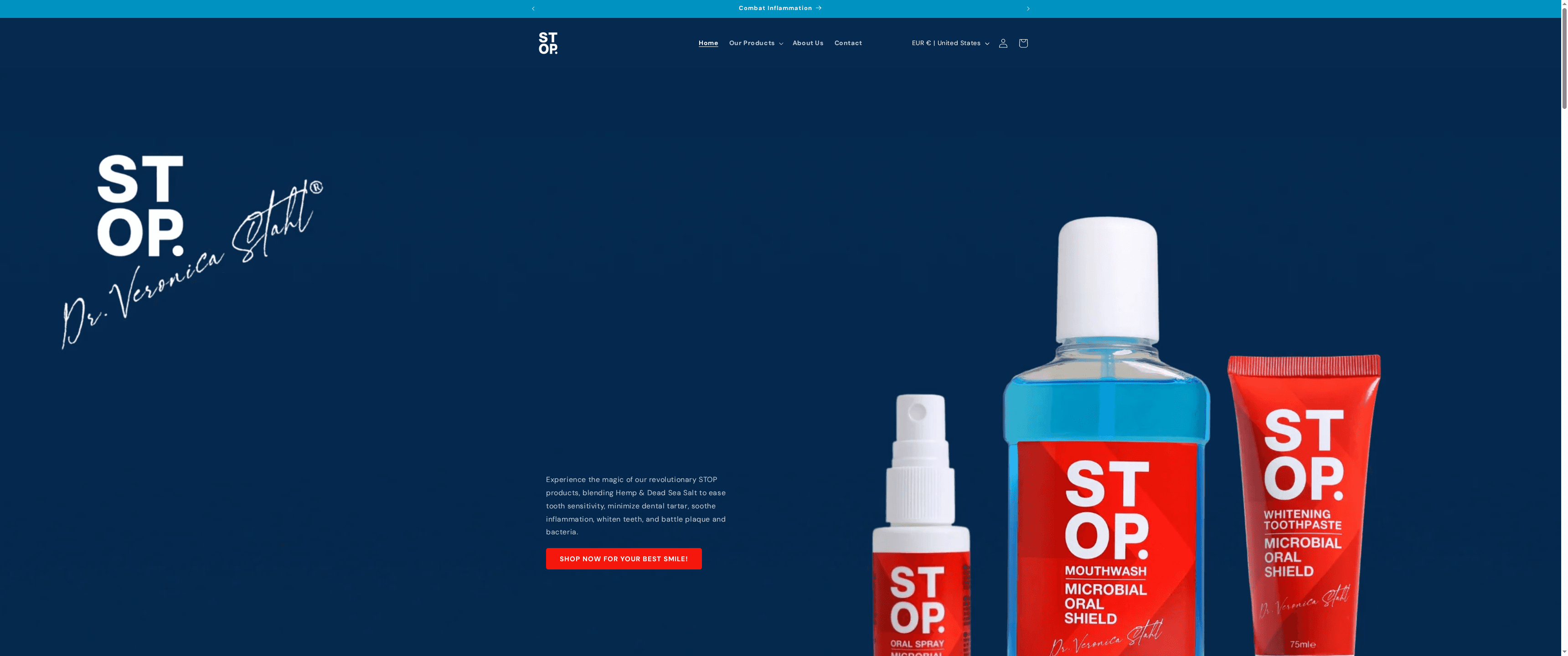
- Alcohol-free formulation, suited to people managing dry mouth or mucosal sensitivity.
- Built on hemp and Dead Sea minerals rather than conventional antiseptic bases.
- Part of a wider fluoride-free product range that includes toothpaste and an oral spray.
Visit the STOP Oral Care product page to review full ingredient details and order directly.
This article is general information, not a substitute for advice from a qualified doctor. Consult a qualified healthcare professional about your own circumstances before acting on anything here.
FAQ
Why do dentists not recommend mouthwash as a routine habit?
Dentists generally treat mouthwash as a supplement to brushing and flossing, not a replacement, since it cannot remove plaque mechanically the way brushing does. Some formulations, particularly those with alcohol or strong antiseptics, can also dry or irritate the mouth with daily long-term use.
What is the healthiest mouthwash to use?
A healthy choice generally means an alcohol-free formulation with a short, transparent ingredient list matched to your actual need, such as fluoride for cavity prevention or a gentle antiseptic for breath control. People with sensitive mucosa or dry mouth typically do better avoiding strong surfactants, dyes, and high ethanol content.
Which mouthwashes should I avoid?
Avoid rinses with high alcohol content if you have dry mouth, and avoid using chlorhexidine or high concentrations of cetylpyridinium chloride long-term without a dentist’s direction, since both carry staining and mucosal irritation risks noted in NHS guidance. Products stacking multiple strong antiseptics or loaded with dyes and heavy flavoring also warrant caution for sensitive users.
Why do some cardiologists warn against mouthwash?
The concern centers on a mechanism where frequent mouthwash use lowers oral bacteria that help convert dietary nitrate into nitrite, a step in nitric-oxide production. However, a long-term cohort study following 354 dentate participants for 18.8 years found no meaningful link to cardiovascular mortality, so the mechanism is real but the outcome evidence does not support broad warnings.
Sources
- What mouthwash ingredients help your smile stay healthy (JADA trial summary)
- Common side effects of chlorhexidine - NHS
- A Fresh Look at Mouthwashes—What Is Inside and What Is It For? - PMC