


Enamel lost to acid does not grow back, because enamel contains no living cells capable of regeneration. Early, surface-level mineral loss can be remineralized: calcium and phosphate redeposit into the weakened crystal structure, restoring hardness and reducing sensitivity. Once acid has dissolved enough mineral to cause cavitation or visible structural loss, remineralization cannot rebuild that missing volume, and restorative dental treatment becomes necessary.
TL;DR:
- After acidic drinks or reflux, rinse with water, milk, or mild baking soda solution, then wait at least 30 minutes before brushing softened enamel.
- Saliva supplies calcium and phosphate, while fluoride speeds mineral deposition; nanohydroxyapatite can harden early lesions and reduce sensitivity as topical support.
- Sensitivity, cupping, translucent edges, or yellowing can signal erosion; persistent symptoms or visible wear need a dentist’s examination, since home checks cannot confirm severity.
- When reflux, vomiting, or dry mouth drives acid exposure, address the underlying condition; topical products cannot offset stomach acid or replace saliva’s buffering role.
- If a dentist has prescribed fluoride varnish or a concentrated fluoride paste for active erosion, consult them before switching to products without fluoride.
Table of Contents
- What Acid Erosion Does to Enamel
- Common Causes and Early Signs of Enamel Erosion
- How Remineralization Works and What Can Help It Along
- What to Do Right After an Acid Attack and Every Day After
- When Enamel Loss Goes Beyond What Remineralization Can Fix
- Where Fluoride-Free Topical Support Fits Into a Clinician-Led Routine
- A Short Perspective on Realistic Expectations
- Building a Daily Routine Around Stop Oral Care Products
- FAQ
- Sources
What Acid Erosion Does to Enamel
Enamel is composed primarily of hydroxyapatite, a crystalline calcium phosphate structure that is nonliving tissue with no cellular turnover. Because of this, enamel cannot repair itself the way bone or skin can; any chemical change happens strictly at the mineral level. When oral pH drops below approximately 5.5, acid begins dissolving calcium and phosphate ions out of the enamel surface, a process called demineralization. Saliva ordinarily neutralizes acid and resupplies these minerals, but frequent or prolonged acid exposure tips the balance toward net mineral loss, according to a review on enamel remineralization chemistry.
Common sources of this acid exposure include:
- Acidic drinks such as soda, citrus juice, wine, and sports drinks
- Gastroesophageal reflux disease (GERD), which brings stomach acid into the mouth
- Frequent or chronic vomiting, including from eating disorders
- Dry mouth conditions that reduce saliva’s natural buffering capacity
Common Causes and Early Signs of Enamel Erosion
Behavioral patterns often drive repeated acid exposure: sipping acidic beverages slowly over hours, eating sour candies frequently, or brushing immediately and aggressively after acidic meals, which can abrade already softened enamel. Medical causes matter just as much. GERD and frequent vomiting introduce strong stomach acid directly to tooth surfaces, and treating the underlying condition is essential since topical products cannot offset acid exposure originating from the stomach, as clinicians note in a clinical discussion of reflux and erosion.
Early signs are worth watching for, since they mark the window when remineralization still works:
- Increased sensitivity to cold, heat, or sweets
- Cupping or small concave dips on chewing surfaces
- Thin, translucent edges on front teeth
- Yellowing as dentin shows through worn enamel
Persistent or worsening symptoms warrant a dental examination rather than continued self-treatment.
How Remineralization Works and What Can Help It Along
Remineralization is the deposition of calcium and phosphate ions back into the enamel’s crystal lattice, a process that follows distinct crystallization steps as minerals convert from amorphous calcium phosphate toward stable hydroxyapatite, according to the review on enamel remineralization chemistry. Saliva is the primary natural source of these minerals, along with proteins that regulate where and how fast crystals form.

Fluoride works as a catalyst in this process, speeding apatite crystallization and forming a more acid-resistant mineral, but it still depends on calcium and phosphate being available in the saliva or applied topically; repeated exposure through toothpaste or professional varnish improves its effect, the same review notes.
Nanohydroxyapatite particles of nanoscopic size can replenish mineral content in early erosive lesions and increase surface hardness, according to a nanohydroxyapatite review. Biomimetic peptides act on a similar principle, guiding mineral deposition at the surface. Neither restores lost enamel bulk. What these agents can realistically achieve is measurable surface hardening and reduced sensitivity in lesions that have not yet cavitated. Structural regrowth of missing enamel volume is not within their scope, nor within the scope of any current topical treatment.
What to Do Right After an Acid Attack and Every Day After
The minutes immediately following acid exposure matter because enamel is at its softest and most vulnerable to mechanical wear right after contact with acid.
- Rinse your mouth with plain water, milk, or a mild sodium bicarbonate solution to help neutralize remaining acid.
- Wait at least 30 minutes before brushing, since brushing softened enamel can abrade mineral that would otherwise redeposit, a precaution outlined in tooth decay guidance from the NHS.
- Brush twice daily with a soft-bristled brush and a fluoride toothpaste, or discuss fluoride-free alternatives with your dentist.
- Spit out excess toothpaste after brushing but avoid rinsing immediately, so residual minerals stay on the tooth surface longer.
- Ask your dentist whether fluoride varnish or a high-fluoride prescription paste fits persistent erosion, and where hydroxyapatite-containing products might serve as a daily adjunct.
- Chew sugar-free gum after meals to stimulate saliva flow, stay hydrated, and limit acidic snacking between meals rather than across the whole day.
Pro Tip: Pair acidic foods like citrus or vinegar-based dressings with a calcium source such as cheese or yogurt in the same meal, which helps buffer the acid while it is still in contact with your teeth.
Readers looking for lower-acid beverage choices can also explore low acid coffee options, since coffee acidity contributes to the same cumulative exposure as soda or citrus juice.
When Enamel Loss Goes Beyond What Remineralization Can Fix
Certain signs indicate structural, irreversible loss rather than surface-level demineralization: visible cavitation, exposed dentin, or enamel thinned to the point of translucency or fracture risk. Remineralization cannot restore lost volume at this stage, because there is no enamel scaffold left for minerals to deposit onto, according to ADA guidance on dental erosion.
At that point, restorative options typically include:
- Bonding, which seals exposed dentin and restores shape on moderately worn teeth
- Veneers, which cover the visible surface of front teeth affected by thinning or discoloration
- Crowns, used when erosion or decay has compromised a tooth’s structural integrity
A dental exam, not a mirror check at home, is the only reliable way to tell early erosion from the kind that needs restoration.
Where Fluoride-Free Topical Support Fits Into a Clinician-Led Routine
Natural, fluoride-free formulations built around ingredients like hemp extract and Dead Sea minerals are positioned as daily topical support rather than a substitute for prescribed clinical fluoride. Under Dr. Veronica Stahl, Stop Oral Care develops this category of product with the stated goal of pairing natural ingredients with scientific backing rather than relying on fluoride as the only active agent.
- Protective toothpaste formulated to support daily mineral balance and surface protection
- Mouthwash intended to help maintain a neutral oral pH between brushings
- Oral spray designed for portable, on-the-go pH and mineral support
Any fluoride-free product should be reviewed with your dentist, particularly if you have been prescribed high-fluoride paste or varnish for active erosion, since professional guidance should determine whether a fluoride-free approach is appropriate for your specific case rather than a full replacement for it.
A Short Perspective on Realistic Expectations
Enamel will not regenerate once it is gone, and no toothpaste, rinse, or supplement changes that fact. What matters most is timing: rinsing right after acid exposure, waiting 30 minutes before brushing, and supporting saliva and mineral balance daily give early lesions their best chance to harden before they progress. When reflux, dry mouth, or frequent vomiting is the underlying driver, treating that condition matters as much as anything applied topically. Persistent sensitivity or visible wear deserves a dentist’s exam, not continued guesswork.
— Veronica
Building a Daily Routine Around Stop Oral Care Products
A daily routine that supports remineralization does not need to choose between natural ingredients and effective mineral support. Our fluoride-free line, formulated with hemp and Dead Sea minerals, is built to give teeth consistent topical support between meals and after acid exposure, without relying on fluoride as the active ingredient.
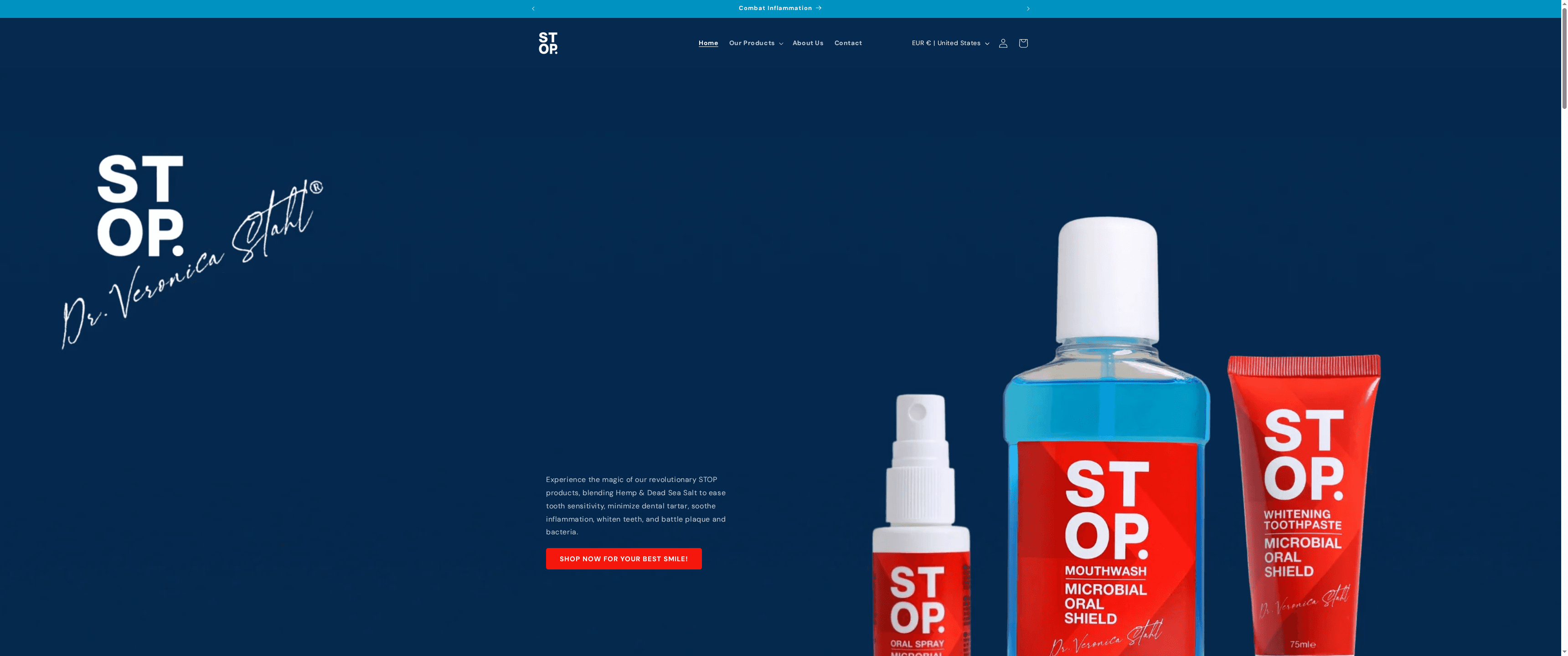
Our three products are designed to work together through the day:
- STOP Protective & Whitening Toothpaste for daily brushing and surface protection, priced at 12,99 € per tube
- STOP Mouthwash for rinsing between brushings, priced at 20,00 € per bottle
- STOP Protective Oral Spray for portable pH support during the day, priced at 11,99 € per unit
If you currently use a prescribed fluoride varnish or high-fluoride paste, talk with your dentist before replacing it, since a fluoride-free routine is meant to complement professional care rather than substitute for it when active erosion is being clinically managed. For anyone looking for a natural daily option to pair with dentist-recommended checkups, our full product range is a reasonable place to start building that routine.
This article is general information, not a substitute for advice from a qualified doctor. Consult a qualified healthcare professional about your own circumstances before acting on anything here.

FAQ
Can acid damage to teeth be reversed?
Early, surface-level mineral loss from acid can be remineralized and hardened again, but enamel that has already cavitated or structurally thinned cannot be reversed. ADA guidance on dental erosion confirms enamel does not regenerate once lost, which is why timing matters so much in the early stages.
How do you remineralize teeth again?
Remineralization happens when calcium and phosphate from saliva, fluoride, or agents like nanohydroxyapatite redeposit into weakened enamel, a stepwise crystallization process described in a review on enamel chemistry. Supporting it day to day means rinsing after acid exposure, waiting before brushing, using fluoride or dentist-approved alternatives, and stimulating saliva flow with sugar-free gum.
When is it too late to remineralize a cavity?
Once a cavity has cavitated, meaning there is a visible hole or soft spot rather than just surface softening, remineralization cannot restore the missing structure and restorative treatment like a filling or crown is needed. A dental exam is the only reliable way to tell whether a lesion is still in the remineralizable stage.
How long does it take for acid reflux to damage your teeth?
There is no fixed timeline, since damage depends on how often stomach acid reaches the teeth and how well saliva buffers it between episodes; what is established is that saliva’s buffering capacity and flow rate are directly linked to how much erosion occurs, according to salivary factor research in JADA. Managing reflux medically, rather than waiting to see visible wear, is the more reliable way to limit damage over time.
Sources
- Dental erosion | American Dental Association
- Review on enamel remineralization chemistry (PMC)
- The effect of salivary factors on dental erosion (JADA)
- Tooth decay guidance (NHS)